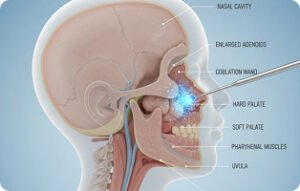

What Is Thyroid Surgery?
Thyroid surgery (thyroidectomy) is a procedure to remove part or all of the thyroid gland. It is commonly performed for conditions such as thyroid nodules, goiter, overactive thyroid (hyperthyroidism), or suspected thyroid cancer.
Using minimally invasive techniques wherever possible, Dr. Dhaval K. Patel, a leading Consultant ENT and Head and Neck Oncosurgeon in Surat, ensures the surgery is safe, effective, and tailored to each patient’s needs.

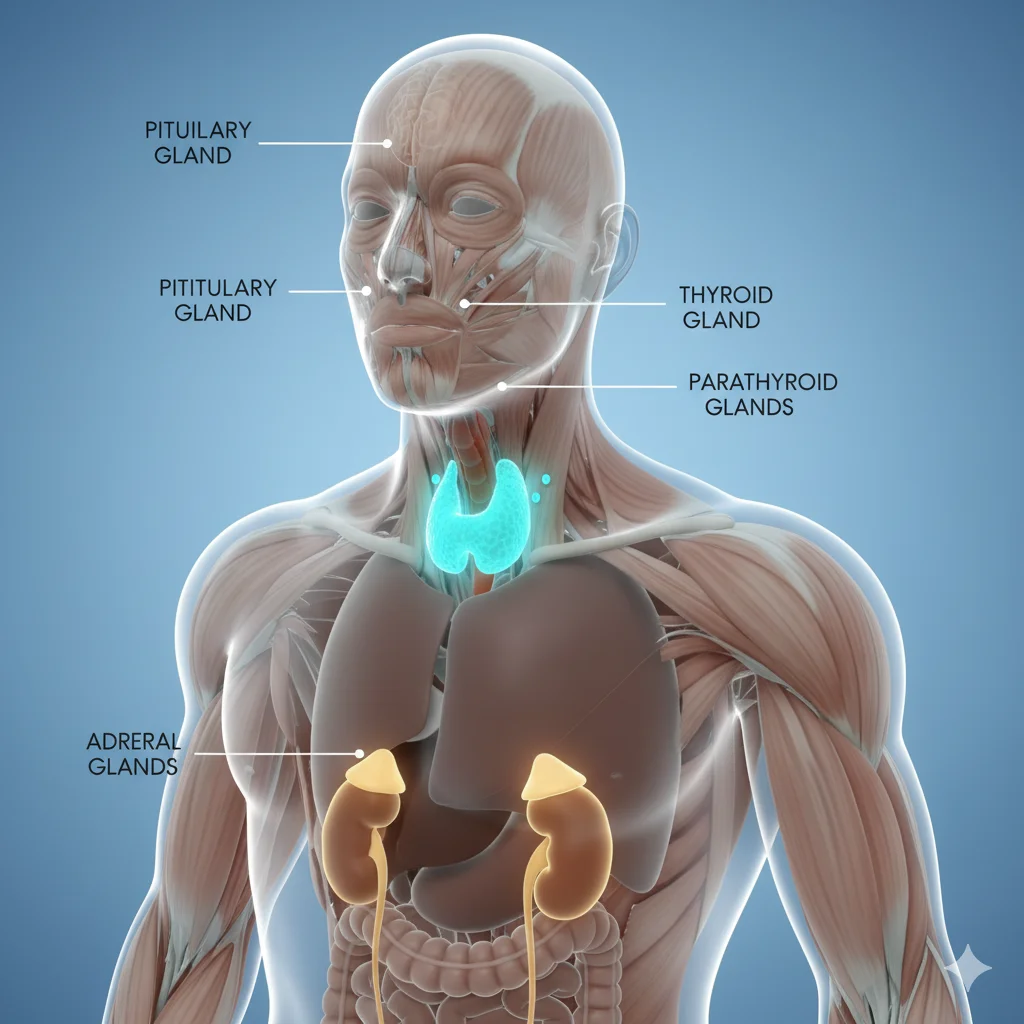
Conditions Treated
As a leading vertigo specialist in Surat, Dr. Dhaval K. Patel treats a wide range of conditions, including:
- Enlarged thyroid (goiter) causing breathing or swallowing issues
- Thyroid nodules (benign or cancerous)
- Hyperthyroidism (overactive thyroid) not controlled by medication
- Papillary or follicular thyroid cancer
- Recurrent thyroid cysts
- Suspicious lumps or abnormal biopsy results
Make an Appointment
Booking an appointment with our orthopedic & ENT professionals
What to Expect
 01
01
Initial Consultation
Thorough medical evaluation, neck examination, and review of blood tests or imaging (e.g., ultrasound, FNAC).
 02
02
Diagnosis & Planning
Clear diagnosis and discussion of whether surgery is needed. Dr. Patel explains the procedure, risks, and expected outcomes.
 03
03
Surgery Day
Thyroid surgery is usually performed under general anesthesia. Minimally invasive techniques are used when appropriate.
 04
04
Postoperative Care
Most patients stay 1–2 days in the hospital, with guidance on medication and voice care.
 05
05
Recovery & Follow-Up
Regular follow-ups to monitor healing, hormone levels, and overall wellness.
Why Choose Dr. Dhaval K. Patel?
Dr. Dhaval K. Patel is a respected name in ENT and Head & Neck Oncosurgery in Surat. With extensive experience in thyroid and neck surgeries, he combines surgical precision with compassionate care. Dr. Patel uses the latest minimally invasive techniques to ensure smaller incisions, quicker recovery, and minimal scarring. His approach is patient-centered, ensuring each individual receives thorough evaluation, honest guidance, and personalized treatment for the best outcomes.
Need help with our care?
Answers to your questions
Yes, when performed by an experienced ENT and Head & Neck Surgeon like Dr. Dhaval K. Patel, thyroid surgery is generally safe with a low complication rate.
It depends. If the entire thyroid is removed, lifelong thyroid hormone replacement is necessary. If only part is removed, you may not need medication.
Dr. Dhaval K. Patel uses minimally invasive and cosmetic techniques to reduce visible scarring as much as possible.
Yes, it’s a safe and proven technique with fewer complications compared to traditional open surgery.
Most patients return to normal activities within 1–2 weeks, depending on the extent of surgery and recovery.
Temporary hoarseness can occur but is usually short-term. Permanent voice changes are rare, especially with skilled surgical care.