
What Is Ankle Arthroscopy?
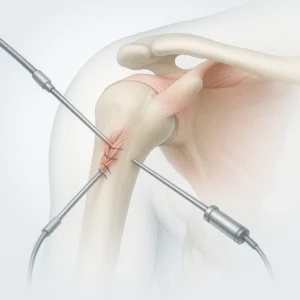
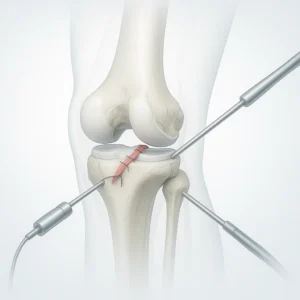
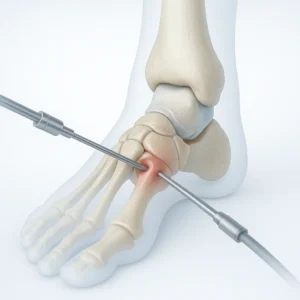
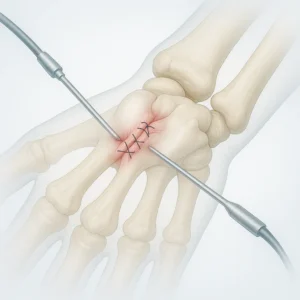
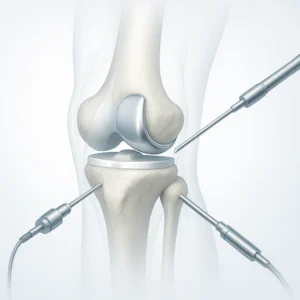
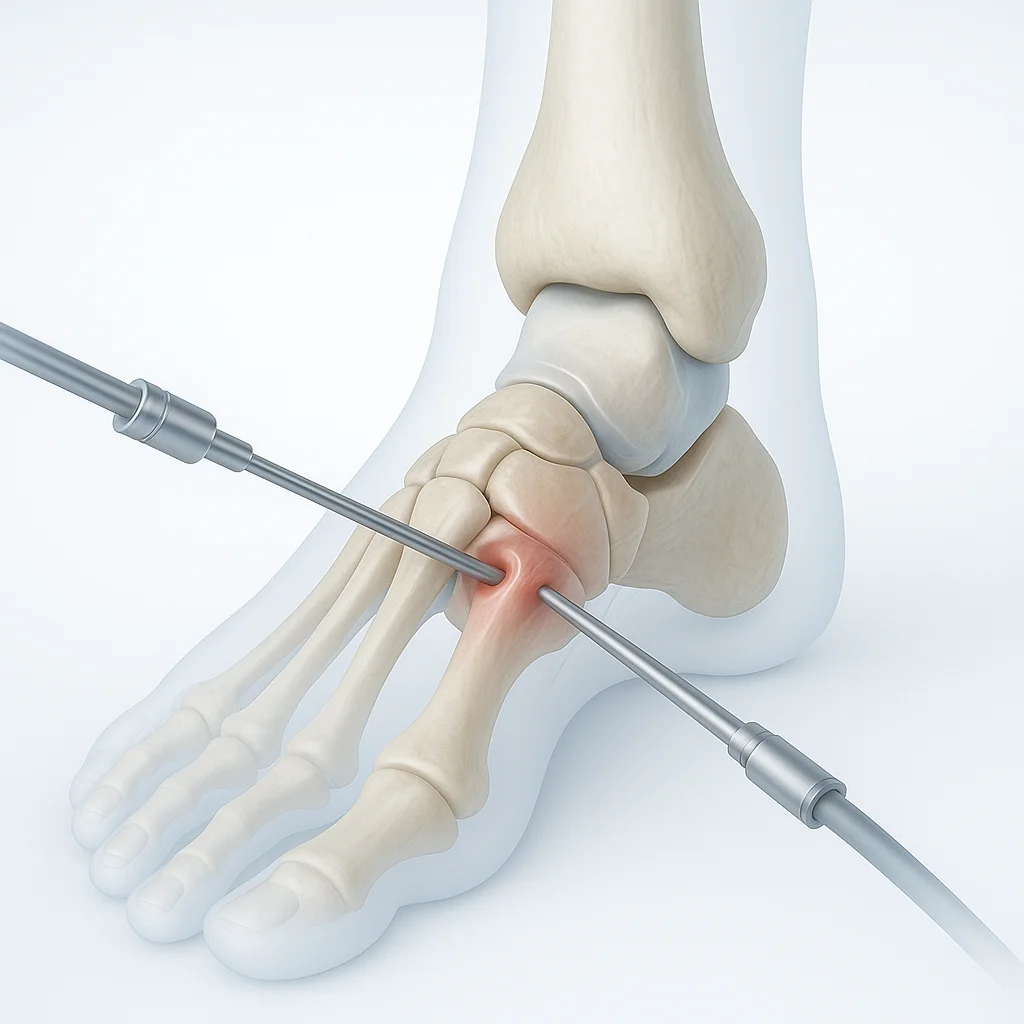
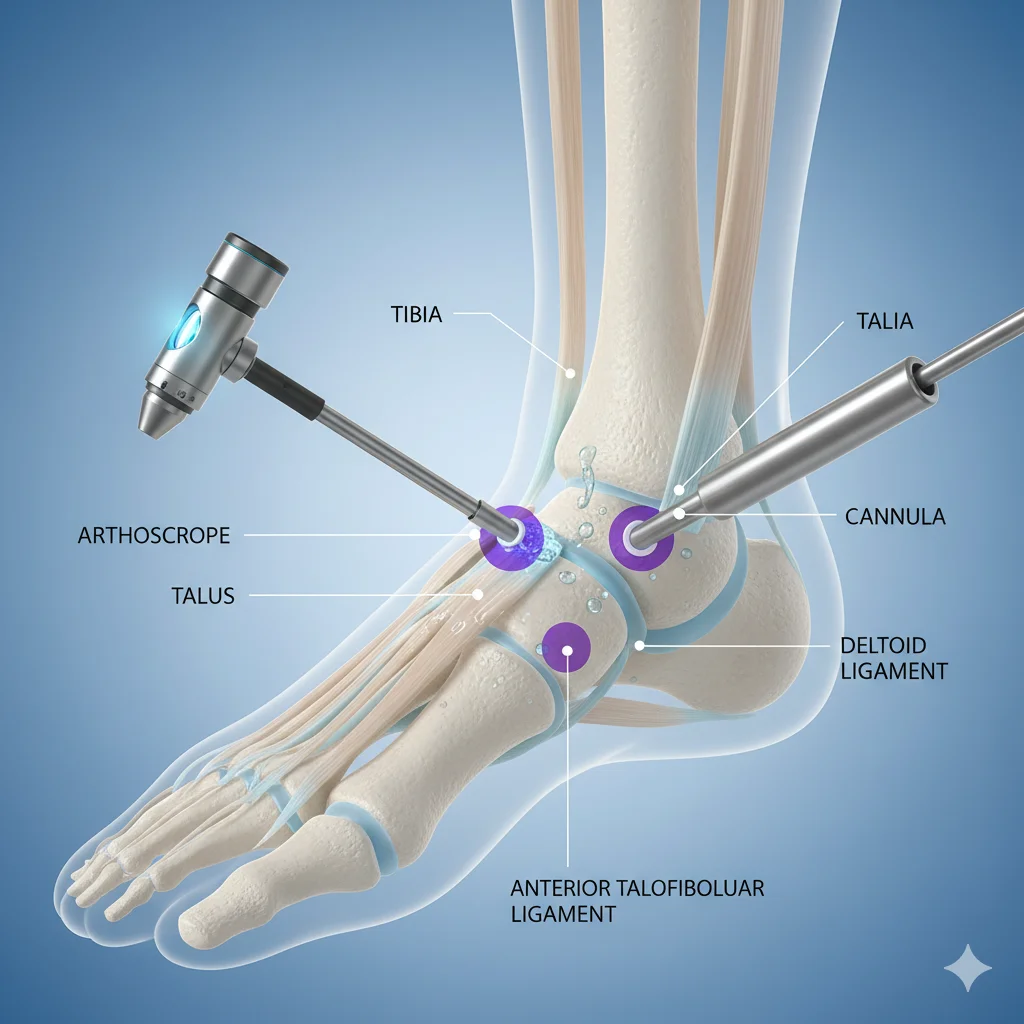
Ankle arthroscopy is a minimally invasive surgical procedure used to diagnose and treat various ankle joint problems. Through tiny incisions, a small camera (arthroscope) and surgical instruments are inserted into the ankle. This allows Dr. Mitesh Patel to clearly view the inside of the joint and treat damaged tissues without the need for large cuts—resulting in less pain, fewer complications, and faster recovery.
This modern approach is ideal for active individuals, athletes, and anyone suffering from persistent ankle pain or instability.
Conditions Treated
Dr. Mitesh Patel uses ankle arthroscopy to effectively treat a wide range of conditions, including:
- Ankle impingement (pinching of soft tissues)
- Ligament injuries or instability
- Loose bone or cartilage fragments
- Osteochondral lesions (cartilage damage)
- Synovitis (inflammation of joint lining)
- Scar tissue removal
- Early-stage arthritis
Make an Appointment
Booking an appointment with our orthopedic & ENT professionals
What to Expect
 01
01
Initial Consultation
A thorough clinical examination and diagnostic imaging to understand the cause of your ankle pain.
 02
02
Pre-Surgical Planning
Dr. Patel explains the procedure, benefits, and expected outcomes, addressing all your concerns.
 03
03
Ankle Arthroscopy Procedure
Performed as a daycare or short-stay procedure using small incisions and specialized instruments.
 04
04
Postoperative Care
You’ll receive a customized recovery plan including rest, physiotherapy, and follow-ups.
 05
05
Return to Activity
Most patients return to normal activities and sports significantly quicker than with open surgery.
Why Choose Dr. Mitesh Patel?
Dr. Mitesh Patel is a trusted orthopedic, arthroscopic, and sports injury surgeon in Surat with extensive experience in treating complex ankle conditions using minimally invasive techniques. His patient-centered approach focuses on accurate diagnosis, personalized treatment plans, and optimal recovery outcomes. Whether you’re an athlete or someone dealing with chronic ankle pain, Dr. Patel ensures compassionate care backed by advanced surgical expertise.
Need help with our care?
Answers to your questions
Discomfort is minimal and temporary. Pain is usually well-managed with medication and decreases within a few days.
Most patients resume light activities within 2–3 weeks and full recovery often takes 6–8 weeks, depending on the condition treated.
Yes. A structured rehab program is essential for restoring ankle strength, mobility, and function.
Yes, it’s a safe and proven technique with fewer complications compared to traditional open surgery.
In many cases, patients can walk with support within a few days, but weight-bearing depends on the specific procedure done.